
GE Spectra Oven Manual: A Comprehensive Guide (Updated 01/24/2026)
Welcome! This detailed manual expertly guides you through every aspect of your GE Spectra oven, acting as your personal tutor for optimal performance and enjoyment.
Congratulations on selecting a GE Spectra oven, renowned for its innovative technology and exceptional cooking performance. This oven represents a significant advancement in home culinary experiences, offering a blend of precision, convenience, and style. GE Spectra ovens are designed to simplify meal preparation while consistently delivering professional-quality results.
This manual is specifically tailored to help you unlock the full potential of your new appliance. We understand that navigating new features can sometimes be challenging, and that’s why we’ve created this comprehensive guide. Consider it your personal tutor, walking you through each function and setting.
From basic baking to advanced convection cooking and self-cleaning cycles, this manual provides clear, step-by-step instructions. We strongly recommend reading through it thoroughly before your first use to ensure a successful and enjoyable experience with your GE Spectra oven.
Understanding Your Model Number
Your GE Spectra oven’s model number is crucial for accessing specific information, ordering replacement parts, and receiving accurate customer support. This alphanumeric code contains valuable details about your oven’s features, manufacturing date, and specifications. It’s typically located on a label inside the oven frame, often visible when the door is open, or on the back of the appliance.
Decoding the model number allows GE and authorized service technicians to quickly identify your exact oven configuration. This ensures that any assistance provided is tailored to your specific model. When contacting customer service or scheduling a repair, always have your model number readily available.
Refer to the documentation included with your oven, or GE’s website, for a detailed explanation of how to interpret your specific model number’s components.
Safety Precautions & Warnings
Prioritize safety when operating your GE Spectra oven. Always exercise caution to prevent burns, electrical shock, and fire hazards. Never use the oven if the door doesn’t close properly or if seals are damaged. Keep flammable materials away from the oven’s vicinity during operation.
Supervise children closely when the oven is in use. The exterior surfaces become hot during baking and broiling. Use oven mitts or pot holders when handling hot cookware. Avoid touching heating elements directly. Ensure proper ventilation when using the self-clean cycle, as it generates high temperatures and fumes.
Disconnect the oven from the power supply before cleaning or performing maintenance. If you smell gas, immediately evacuate the area and contact your gas company.
Oven Controls & Features
Explore intuitive controls! This section details the GE Spectra oven’s control panel, digital display, and essential features for seamless cooking experiences.
Control Panel Overview
Navigating the Interface: The GE Spectra oven’s control panel is designed for user-friendliness and precision. At the center, you’ll find the digital display, clearly showcasing temperature, cooking time, and selected functions. To the left and right, dedicated control knobs or touch-sensitive buttons allow for effortless adjustments.
Key Components: Familiarize yourself with the ‘Bake,’ ‘Broil,’ ‘Convection,’ and ‘Clean’ options. The ‘Timer’ function is crucial for precise cooking, while the ‘Start’ and ‘Cancel’ buttons provide immediate control. Many models feature pre-programmed settings for popular dishes, simplifying meal preparation. Explore the ‘Options’ or ‘Menu’ button to access advanced features like delayed start and temperature probe settings.
Understanding Icons: Pay attention to the illuminated icons, indicating active functions. A quick glance at the panel provides a comprehensive overview of the oven’s current status. Refer to the detailed diagrams within this manual for specific button locations and icon meanings related to your particular GE Spectra model.
Digital Display Functions
Core Readouts: The GE Spectra oven’s digital display is your central hub for information. It prominently shows the set temperature, remaining cook time, and the currently selected cooking mode (Bake, Broil, Convection, etc.). During preheating, the display will indicate “PREHEAT” and track the rising temperature.
Advanced Features: Beyond basic information, the display showcases timer settings, delayed start times, and self-clean cycle progress. When using the temperature probe, the internal food temperature is continuously monitored and displayed. Error codes, should they occur, will also appear on the screen, prompting you to consult the troubleshooting section of this manual.
Customization Options: Some models allow you to adjust display brightness and choose between Fahrenheit and Celsius. The display also provides visual cues, like flashing indicators, to confirm button presses and alert you to completed cycles. Understanding these functions ensures optimal oven control.
Temperature Settings & Calibration
Temperature Range: Your GE Spectra oven offers a wide temperature range, typically from 170°F to 550°F, accommodating diverse cooking needs – from gentle warming to high-heat searing. Precise temperature control is crucial for consistent results.
Calibration Procedure: Occasionally, ovens may deviate slightly from their set temperature. To calibrate, access the oven’s settings menu (refer to the ‘Control Panel Overview’ section). Compare the oven’s indicated temperature with an oven-safe thermometer. Adjust the calibration setting in 5°F increments until the displayed temperature matches the thermometer reading.
Importance of Accuracy: Accurate temperature calibration is vital for baking, where precise heat is paramount. Regularly checking and adjusting the calibration ensures your recipes turn out perfectly every time. Incorrect temperatures can lead to undercooked or overcooked food.
Clock Setting & Timer Functions
Setting the Clock: To set the clock, navigate to the ‘Clock’ function on the control panel. Use the number pads to enter the correct time, ensuring AM or PM is selected accurately. The clock displays in a 12-hour or 24-hour format, configurable within the settings menu. A properly set clock is essential for utilizing the timer functions.
Timer Operation: The GE Spectra oven features a versatile timer. You can set a ‘Cook Time’ which automatically shuts off the oven when the set time elapses, or a ‘Delay Start’ to begin cooking at a future time. A separate ‘Kitchen Timer’ functions as a general-purpose countdown timer.
Timer Alerts: When a timer reaches zero, a clear audible alert will sound. Pressing any button will silence the alarm. Utilizing these timer functions enhances cooking convenience and prevents overcooking.
Cooking Modes Explained
Explore versatility! This section details each cooking mode – Bake, Broil, Convection, Roast, Proof, and Keep Warm – for perfect results every time.
Bake Mode: Standard Baking
Bake mode is your go-to setting for most everyday cooking tasks. It utilizes heat from the bottom element of the oven, creating a consistent and even temperature ideal for cakes, cookies, casseroles, and breads. To activate Bake mode, simply press the ‘Bake’ button on the control panel and set your desired temperature using the up and down arrow keys.
The oven will preheat to the selected temperature, indicated by a preheat tone or display message. For best results, ensure your oven racks are positioned correctly according to your recipe. Remember that baking times may vary depending on the recipe and the quantity of food being cooked. Always check for doneness using a food thermometer or visual cues. Bake mode provides reliable and predictable results for all your favorite baked goods, ensuring consistently delicious outcomes.
Broil Mode: High-Heat Cooking
Broil mode employs intense, direct heat from the upper element of the oven, perfect for quickly browning, searing, or finishing dishes. It’s excellent for broiling meats, melting cheese on gratins, or toasting bread. To engage Broil mode, press the ‘Broil’ button on the control panel. You can typically select between ‘High Broil’ for maximum heat and ‘Low Broil’ for gentler cooking.
Always use broil-safe cookware and position the oven rack closer to the upper element for optimal results. Monitor food closely while broiling, as it cooks rapidly and can burn easily. Leaving the oven door slightly ajar during broiling can help regulate temperature and prevent excessive smoking. Remember to never use aluminum foil to line the broiler pan, as it can reflect heat and damage the oven.
Convection Bake: Even Heat Distribution
Convection Bake utilizes a fan to circulate hot air throughout the oven cavity, resulting in remarkably even heat distribution. This technology significantly reduces hot spots and cooks food faster and more uniformly than traditional baking. It’s ideal for baking multiple trays of cookies, roasting vegetables, or cooking large cuts of meat. To activate Convection Bake, select the ‘Convection Bake’ option on your control panel.
Typically, a temperature reduction of 25°F is recommended when using Convection Bake. Avoid opening the oven door frequently during convection baking, as this can disrupt the airflow and affect cooking times. Convection bake is not recommended for delicate pastries or soufflés, as the circulating air can cause them to collapse.
Convection Roast: For Tender Meats
Convection Roast is specifically designed for achieving beautifully browned and exceptionally tender meats, poultry, and game. Similar to Convection Bake, it employs a fan to circulate hot air, but operates at higher temperatures. This creates a crisp exterior while sealing in juices, resulting in a succulent and flavorful roast. Select ‘Convection Roast’ on the control panel to activate this feature.
For optimal results, use a roasting rack to elevate the meat, allowing for even air circulation. A temperature probe is highly recommended for accurate internal temperature monitoring. Remember that convection roasting cooks faster than traditional roasting; reduce cooking time accordingly. Avoid opening the oven door unnecessarily during the roasting process to maintain consistent temperature.
Proofing Mode: Yeast Dough Rising
Proofing Mode provides the ideal warm, humid environment for successful yeast dough rising. This gentle heat activates the yeast, allowing your dough to expand and develop optimal texture and flavor. To initiate Proofing Mode, simply select it from the oven’s control panel. The oven will maintain a consistent, low temperature – typically around 80-90°F (27-32°C) – and may introduce a small amount of humidity.
Place your dough in a lightly oiled bowl, covered with plastic wrap or a damp cloth. Avoid overcrowding the oven; allow space for air circulation. Proofing times will vary depending on the recipe and ambient temperature. Regularly check the dough’s progress; it should approximately double in size.
Keep Warm Mode: Maintaining Food Temperature
Keep Warm Mode is designed to hold cooked foods at a safe and palatable temperature until you’re ready to serve. This feature prevents food from cooling down and becoming unappetizing, without continuing to cook it. To activate Keep Warm, select the mode on the control panel after your cooking cycle is complete. The oven will typically maintain a temperature between 170-200°F (77-93°C).
Keep Warm is ideal for holding casseroles, roasted meats, or side dishes. Avoid using it for extended periods – generally no more than three hours – to maintain food quality. It’s not recommended for delicate items or foods requiring precise temperature control; Always ensure food is fully cooked before utilizing Keep Warm Mode.

Self-Cleaning Features
Effortless Cleaning: Your GE Spectra oven boasts powerful self-cleaning options, including a traditional self-clean cycle and, on select models, a convenient steam clean feature.
Self-Clean Cycle Operation
Initiating the Cycle: To begin the self-clean cycle on your GE Spectra oven, ensure the oven is completely empty – remove all racks, cookware, and any loose debris. Press the “Self Clean” button on the control panel. You’ll then be prompted to select a cleaning duration; options typically range from 2 to 4 hours, depending on the level of soil.
Locking & Safety: Once the cycle commences, the oven door automatically locks for safety reasons and remains locked until the oven cools sufficiently. Do not attempt to force the door open during operation. The oven will reach extremely high temperatures during this process. Avoid touching the oven exterior, as it will become very hot.
Ventilation: The self-clean cycle may produce some odor and smoke; ensure adequate ventilation in your kitchen by opening windows or using a range hood. After the cycle completes and the oven has cooled, wipe away any remaining ash with a damp cloth.
Self-Clean Cycle Troubleshooting
Cycle Won’t Start: If the self-clean cycle fails to initiate, verify the door is fully closed and latched. Ensure no error codes are displayed on the control panel – consult the “Error Codes” section for specific meanings. Also, confirm the oven hasn’t recently experienced a power interruption.
Cycle Stops Prematurely: A sudden power outage can interrupt the cycle. Once power is restored, the oven may attempt to resume, or you might need to restart it. Excessive smoke may also trigger a safety shut-off; ensure proper ventilation next time.
Door Won’t Unlock: Allow sufficient cooling time after the cycle ends; If the door remains locked, disconnect power to the oven for 5 minutes, then restore it. Caution: Never force the door open.
Steam Clean Option (If Applicable)
Utilizing Steam Clean: If your GE Spectra oven features a steam clean option, it provides a quicker, less intense cleaning method for light soils. Pour approximately one cup of water into the bottom of the oven cavity. Select the “Steam Clean” function on the control panel and follow the on-screen prompts.
Cycle Duration & Safety: The steam clean cycle typically runs for 20-30 minutes, generating steam to loosen food residue. Caution: Do not open the oven door during the cycle, as hot steam will escape. Avoid using harsh chemical cleaners before or during steam cleaning.
Post-Cycle Wipe Down: After the cycle completes and the oven cools, wipe away loosened debris with a damp cloth. This method is ideal for maintaining a clean oven between self-clean cycles.

Using Oven Racks & Accessories
Maximize your oven’s potential by strategically positioning racks and utilizing optional accessories like baking stones for consistently excellent cooking results.
Rack Positions & Adjustments
Optimizing rack placement is crucial for achieving perfect cooking results with your GE Spectra oven. Generally, the middle rack position is ideal for most baking and roasting tasks, ensuring even heat circulation around the food; For broiling, position the rack closer to the heating element, but always monitor closely to prevent burning.
Adjusting rack positions is simple. Ensure the oven is cool before making any changes. Gently pull the rack forward, lift slightly to clear the rack supports, and then reposition it to the desired level. Your GE Spectra oven likely features multiple rack support positions, allowing for flexibility based on the size and number of dishes you are cooking.
Remember that lower rack positions are best for larger items, while upper positions are suitable for smaller dishes or when you desire more browning. Experimenting with different positions will help you understand how your oven performs and achieve consistently delicious meals.
Optional Accessories (e;g., Baking Stone)
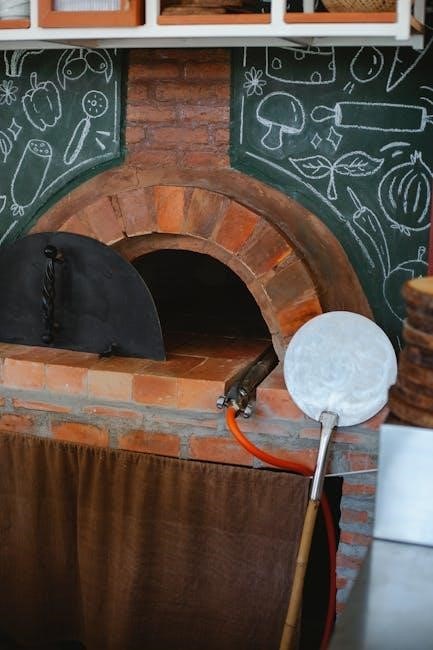
Enhance your GE Spectra oven’s capabilities with a range of optional accessories designed to elevate your cooking experience. A popular choice is a baking stone, perfect for achieving crispy crusts on pizzas, breads, and pastries. These stones distribute heat evenly, mimicking a professional brick oven.

Other useful accessories include specialized roasting pans, designed for optimal airflow and juicy results, and oven-safe thermometers to ensure precise internal temperatures. GE also offers compatible grill grates for indoor grilling, expanding your culinary options.
Before using any accessory, always verify its oven-safe rating and compatibility with your specific GE Spectra model. Refer to the accessory’s instructions for proper placement and usage guidelines. Utilizing these additions can unlock new levels of cooking precision and flavor.

Troubleshooting Common Issues
Facing difficulties? This section provides solutions for typical GE Spectra oven problems, including heating failures, error codes, and control panel malfunctions.
Oven Not Heating
Problem: Your GE Spectra oven isn’t heating up, preventing you from cooking your food. Several factors could contribute to this issue, ranging from simple user errors to more complex component failures. First, verify the power supply – ensure the oven is properly plugged into a functioning outlet and that the circuit breaker hasn’t tripped.
Next, double-check the control panel settings. Confirm that the oven is set to the correct cooking mode (Bake, Broil, Convection) and that a temperature has been selected. Accidentally activating the timer or delay start can also prevent immediate heating. If these checks don’t resolve the issue, inspect the igniter (for gas ovens) or the heating elements (for electric ovens).
A faulty igniter won’t spark, while a broken heating element will appear visibly damaged. Caution: Disconnect power before inspecting these components! If you’re uncomfortable performing these checks, or if the problem persists, contact a qualified appliance repair technician for assistance. Ignoring a heating issue can lead to further damage or safety hazards.
Error Codes & Their Meanings
Decoding Error Messages: Your GE Spectra oven utilizes error codes to diagnose internal issues, displayed prominently on the digital control panel. Understanding these codes is crucial for effective troubleshooting. A common code, “E1”, typically indicates a temperature sensor failure, requiring professional attention. “E2” often signals a faulty heating element or igniter, depending on your oven type.
“E3” may point to a control board malfunction, a more complex repair. “F0” or “F1” usually relate to communication errors within the oven’s system. Always consult the complete error code list in the appendix of this manual for a precise definition.
Important: Do not attempt to repair internal components based solely on the error code. Disconnect power immediately and contact GE’s customer support or a certified technician for accurate diagnosis and safe repair. Ignoring error codes can exacerbate the problem and potentially create a safety hazard.
Control Panel Malfunctions
Addressing Control Issues: If your GE Spectra oven’s control panel becomes unresponsive, first verify the oven is receiving power – check the circuit breaker. A completely blank display suggests a power supply problem, requiring professional diagnosis. If the display flickers or shows garbled characters, a control board issue is likely.
Button Failures: Individual button malfunctions, such as a stuck or non-responsive key, can sometimes be resolved by gently cleaning around the button with a soft, dry cloth. Avoid using liquids! If the panel displays incorrect information or operates erratically, attempt a power cycle – turn off the oven at the breaker for five minutes, then restore power.
Persistent problems necessitate contacting GE’s customer support or a qualified appliance repair technician. Do not attempt to disassemble or repair the control panel yourself, as this could void your warranty and create a safety risk.
Self-Clean Cycle Problems
Troubleshooting Self-Clean: If the self-clean cycle fails to start, ensure the oven door is completely latched and that no items are inside the oven cavity. A common issue is a blown thermal fuse, preventing the high temperatures needed for cleaning; this requires professional replacement. Smoke during the cycle is normal, but excessive smoke indicates a large buildup of food debris – consider a manual cleaning first.
Error Codes: Pay attention to any error codes displayed during or after the cycle. These codes provide valuable clues about the problem. If the cycle stops prematurely, check for power interruptions. Never force the door open during the self-clean cycle, as it will be extremely hot.
Persistent issues should be addressed by a qualified technician to avoid potential damage or safety hazards.

Maintenance & Care
Preserve Performance: Regular cleaning and proper care will significantly extend the life of your GE Spectra oven, ensuring consistent cooking results for years.
Cleaning the Oven Interior
Routine Cleaning: For light spills and food residue, a simple wipe-down with a damp cloth and mild dish soap is usually sufficient. Always ensure the oven is cool before cleaning. Avoid abrasive cleaners, as they can damage the enamel interior.
For Baked-On Residue: If you encounter stubborn, baked-on food, consider using a commercially available oven cleaner specifically designed for your GE Spectra model. Follow the manufacturer’s instructions carefully, ensuring adequate ventilation during application. Alternatively, a paste of baking soda and water can be applied, left overnight, and then scrubbed away.
Stainless Steel Interior: If your oven features a stainless steel interior, use a stainless steel cleaner to maintain its shine and prevent corrosion. Wipe in the direction of the grain for best results. Remember to rinse thoroughly with clean water after cleaning to remove any residue.

Cleaning the Oven Door
Glass Cleaning: The oven door’s glass surface can be cleaned with a standard glass cleaner and a soft cloth. For stubborn grease splatters, allow the cleaner to sit for a few minutes before wiping. Avoid using abrasive pads, which can scratch the glass.
Door Seal Maintenance: Regularly inspect the oven door seal for any damage or food buildup. Clean the seal with a damp cloth to ensure a tight closure, which is crucial for maintaining oven temperature and preventing heat loss. A damaged seal should be replaced promptly.
Removable Door Panels: Some GE Spectra models feature removable door panels for easier cleaning. Consult your model’s specific instructions for safe removal and reinstallation. Clean the panels with warm, soapy water and dry thoroughly before replacing.
Exterior Cleaning & Polishing
Stainless Steel Surfaces: For stainless steel exteriors, use a stainless steel cleaner specifically designed for appliances. Apply the cleaner with a soft cloth, following the grain of the steel to avoid scratches. Rinse with water and dry thoroughly. Avoid abrasive cleaners, as they can damage the finish.
Painted Surfaces: Clean painted surfaces with warm, soapy water and a soft cloth. Avoid harsh chemicals or abrasive cleaners, which can dull or discolor the paint. For stubborn stains, a mild degreaser may be used, but test it in an inconspicuous area first.
Control Panel Care: Gently wipe the control panel with a damp cloth. Avoid spraying liquids directly onto the panel. For fingerprints, a glass cleaner can be used sparingly. Ensure the oven is turned off before cleaning the control panel.
Replacing the Oven Light
Safety First: Before replacing the oven light, always disconnect the power to the oven at the circuit breaker or fuse box. Allow the oven to cool completely to prevent burns. Locate the oven light cover, typically found in the upper rear portion of the oven interior.
Accessing the Bulb: Remove the cover by unscrewing it or gently prying it loose. Carefully remove the old light bulb. Note the bulb type (incandescent or halogen) and wattage for replacement. Use a new bulb of the same type and wattage.
Installation & Testing: Screw in the new bulb securely. Replace the light cover. Restore power to the oven and test the new bulb by turning on the oven light. If the bulb doesn’t illuminate, double-check the bulb is properly seated and the power is on.